Industry Snapshot: Coffee Shops and Cafés
The median U.S. coffee shop sells for $176,500 — about 2.2x owner earnings. Revenue is up 37% in five years, owner earnings only 12%. Here are 2026 margins, multiples and what buyers check.
By Tim · Sep 30, 2026 · 5 min read
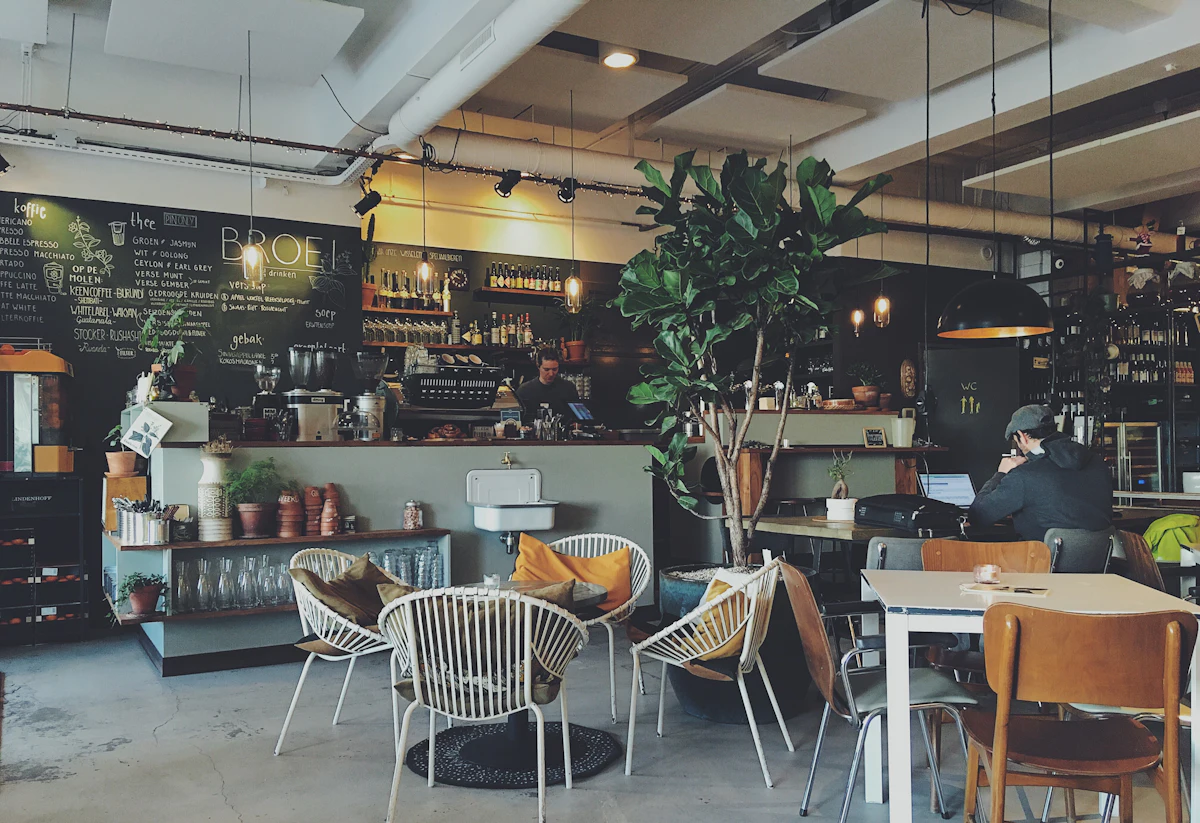
From the BizAIConsultant blog — plain-English industry numbers for Main Street owners and buyers.
The short answer
A typical independent coffee shop sells for about $175K — roughly 2.2 times what it pays its owner, or under half a year's sales. BizBuySell's 2025 data on 1,013 sold cafés puts the median at $176,500 on $453,000 of revenue and $84,000 of seller's discretionary earnings (SDE).
That is a modest price for a business many people dream of owning, and there is a reason. Over the last five years café revenue rose 37% while owner earnings rose only 12%. Coffee shops are busy, but the profit per cup is thin.
2026 brings one real tailwind: green coffee is finally getting cheaper. Here is what that means for sellers, buyers, and the price tag in between.
The 2026 market: beans are getting cheaper, cups are not
Arabica futures closed at $2.71 per pound on September 24, 2026, a three-month low (Business Recorder). That is down from about $3.92 a year ago and more than $4.30 at the February 2025 peak (Keffa Coffee).
- Supply is recovering. StoneX projects a 10-million-bag global surplus in 2026, driven by a record Brazil harvest forecast of 71.9 million bags (Perfect Daily Grind).
- Tariffs are not the drag they were. The 25% Section 301 tariff on Brazilian goods that began in July exempts green and soluble coffee (Keffa Coffee).
- Retail prices are sticky. Ground coffee at the grocery store still averaged $9.30 per pound in August 2026 (FRED/BLS). Customers have already accepted higher menu prices.
For a café owner, that combination is the good news: input costs falling while menu prices hold. As an illustration, a shop using 100 pounds of coffee a week would save about $6,300 a year if its roaster passed through the full $1.21-per-pound drop. In practice specialty roasters pass through only part of it, because specialty beans trade at a premium over the futures price.
The caution: even at $2.71, arabica is still roughly double where it sat for most of the last decade. Buyers should not underwrite a deal assuming bean costs keep falling.
Where a café's money goes
A drink costs 15–20% of its price to make, but cost of goods, labor and rent together eat 90–95% of revenue at a typical shop. The table shows the usual ranges.
| Line item | Typical share of revenue | What drives it |
|---|---|---|
| Cost of goods (drinks only) | 15–20% | Bean and milk prices, waste |
| Cost of goods (with a food program) | 25–35% | Pastry and food mix, spoilage |
| Labor | 24–40% | Wage floors, hours open, staffing per rush |
| Occupancy (rent + utilities) | 10–15% healthy | Lease terms, location |
| Marketing | 3–6% | Loyalty apps, local ads |
| Net profit after paying a manager | 2.5–7% | Drive-thrus at the top, full-service cafés at the bottom |
| SDE (owner's total benefit) | about 18.5% | Median in BizBuySell 2025 sales |
Sources: VantaInsights (COGS, net margin), Toast (labor, marketing), Sofer Advisors (occupancy), BizBuySell (SDE).
The gap between a 2.5–7% net margin and an 18.5% SDE margin is the owner. SDE adds back the owner's salary, perks, interest and depreciation. In plain terms: most of what a café "earns" is the pay of the person working behind the counter.
That matters for buyers. Take the median shop: $84,000 of SDE. Hire a full-time manager at around $45,000 with payroll costs, and the absentee owner keeps roughly $39,000 — before any loan payment on the purchase.
What coffee shops actually sell for
Most independent cafés trade between 1.5x and 2.55x SDE, and they take about five months to sell. Here are BizBuySell's 2025 figures (source):
- Median sale price: $176,500, up 38% from $127,500 in 2021
- Median asking price: $199,750 — sellers closed at about 88% of asking
- Median days on market: 150
- Average multiples, 2021–2025: 2.20x SDE, 0.46x revenue
The format of the shop moves the multiple more than anything else.
| Shop type | Typical SDE multiple | Why |
|---|---|---|
| Small café, under $250K sales | about 1.5x | Owner-dependent; harder to finance |
| Typical independent café | 2.0–2.5x | Median of BizBuySell sales |
| Café with $600K+ sales | 2.5x and up | Proven volume, can support a manager |
| Drive-thru | 20–30% above sit-down | Smaller footprint, fewer staff, higher throughput |
| Franchise resale | 2.5–4.0x+ | Systems, brand and lender confidence |
Sources: BizBuySell (size tiers), Jenesh Makes Deals (drive-thru, franchise).
The drive-thru premium tracks how Americans now buy coffee: an estimated 59% of U.S. coffee purchases happen at a drive-thru (Jenesh Makes Deals). A sit-down café with a strong lease can still earn a premium, but a laptop-heavy room with one morning rush usually cannot.
Quick math on the median shop. $84,000 SDE × 2.2 = about $185,000. Add a strong 10-year lease with renewal options and newer espresso equipment, and a seller can argue for the top of the range. A lease with 18 months left and a 12-year-old machine pulls the price toward 1.5x — about $126,000.
What buyers check (and sellers should fix first)
The lease gets read as closely as the financials. A café's value lives in its location, and a buyer cannot move the espresso bar.
- ☐ Three years of P&Ls, balance sheets and tax returns that tie to each other
- ☐ POS reports by hour and day — revenue spread across dayparts beats one 7–9 AM rush
- ☐ Lease: years remaining, renewal options, assignment clause, rent under 15% of sales
- ☐ Add-backs documented: owner salary, personal expenses, one-time repairs
- ☐ Equipment list with age and service records for espresso machines, grinders and refrigeration
- ☐ Owner hours: could a trained manager run the shop next month?
- ☐ Supplier terms: roaster contract, milk and pastry pricing, any exclusivity
- ☐ Staff roster, tenure and wage rates versus the local minimum wage
- ☐ Health inspection history and permits that transfer to a new owner
- ☐ Local competition: new drive-thru chains within two miles
Buying or selling a coffee shop? Browse café listings or list yours on BizAIConsultant.com. BizAIConsultant uses AI to match sellers with qualified buyers, keeps financials behind an NDA, and connects you with legal and deal-structuring help when you need it.
This article is general information, not legal, tax or financial advice. Commodity prices and market data change; confirm current figures with your broker, lender and CPA.
Sources
- BizBuySell — Coffee Shop & Cafe Valuation Multiples & Financial Benchmarks
- Sofer Advisors — How to Value a Coffee Shop or Cafe: SDE and Lease Terms
- Jenesh Makes Deals — How Much Is a Coffee Shop Worth? 2026 Valuation Data
- VantaInsights — Coffee Shop Profit Margins 2026
- Toast — How Much Do Coffee Shops Make?
- Business Recorder — Arabica coffee sets three-month low (Sep 24, 2026)
- Keffa Coffee — Where the Coffee Market Stands, September 2026
- Perfect Daily Grind — Coffee News Recap, 25 September 2026
- FRED/BLS — Average Price: Coffee, 100%, Ground Roast
Tim
Founder & Lead Consultant, Biz AI Consultant
Tim built Biz AI Consultant to make buying and selling Main Street businesses more transparent. (Bio placeholder — edit in the admin.)
Businesses for sale right now
The weekly Insights digest
New deals, valuation know-how and Main Street market data. One email a week, unsubscribe anytime.